Highlights

Inclusions
4 Nights Hotel with daily breakfast
10 hours private transportation as per itinerary (using med bus 30 seater)
Daily lunch
Professional English-speaking guide
All entrance fees and activities (as per itinerary)
Toll & parking fees
Traditional flower garland upon arrival
Mineral water while on tours
Airfare and visa

Exclusions
Daily dinner
Additional transport time beyond 10 hours daily
Meals other than that mentioned in the itinerary
Personal expenses


Adventure Travel

Family Travel

Honeymoon

Travel in Group

Description

✈️ Return flights from Kathmandu with Singapore Airlines
🏨 Stay at 4★ Sun Island Legian on half-board basis
💰 Package starting from NPR 127,000 per person (double/triple sharing)
🌸 Traditional flower-garland welcome on arrival + Indian dinner
🏞️ Ubud sightseeing: cultural heart of Bali
🌋 Kintamani tour: Mount Batur volcanic views
☕ Visit to coffee plantation
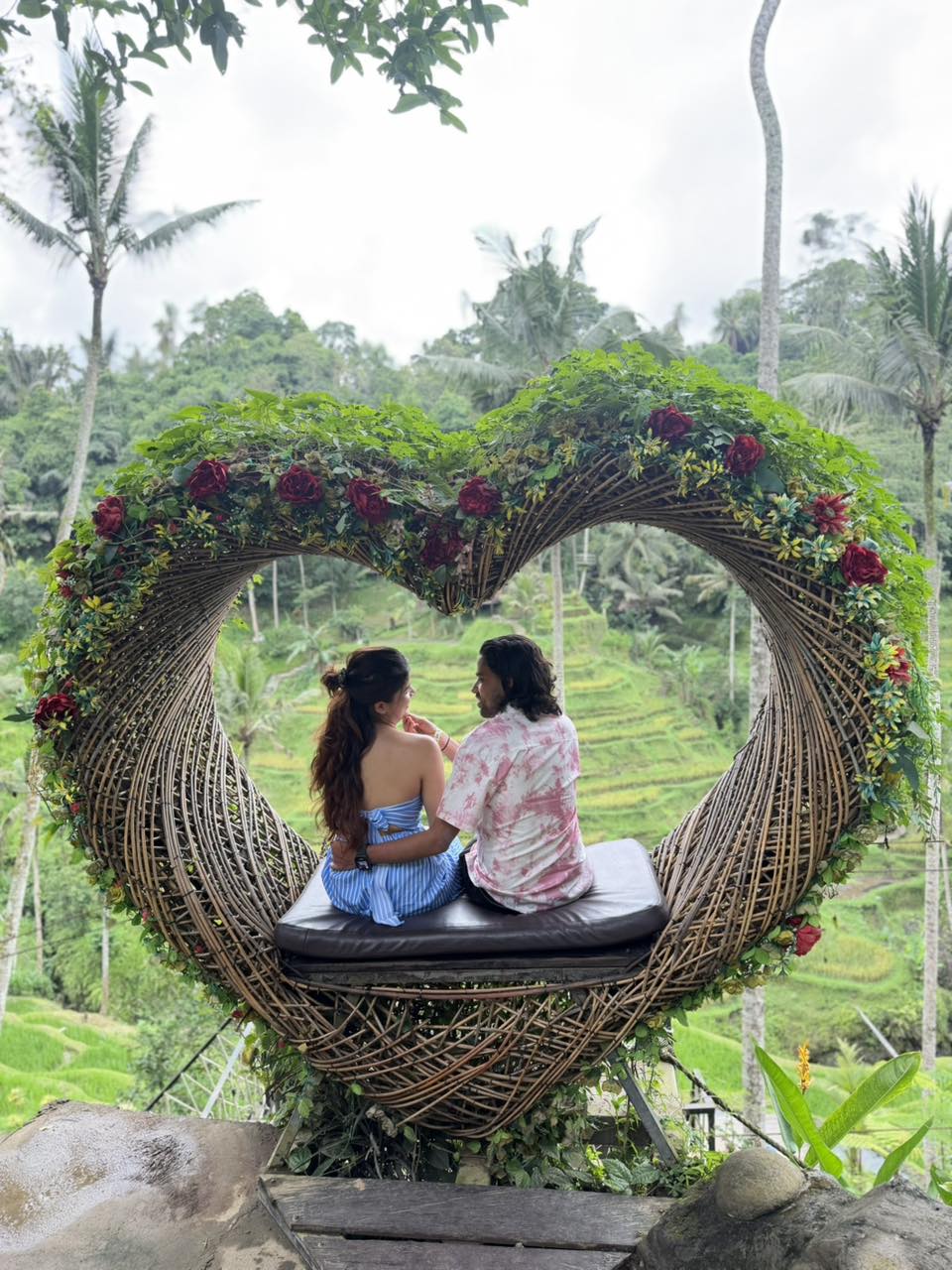
🌾 Explore Alas Harum rice terraces
🌊 Tanjung Benoa: banana boat & water sports activities
🛕 Uluwatu Temple visit + sunset view
🎭 Traditional Kecak dance performance
🍽️ Daily breakfast & lunch included
🧭 English-speaking guide throughout
🎟️ All entrance fees included
🧳 Airport transfers + visa included
😌 Leisure time before departure

• Warm welcome with a traditional flower garland upon arrival
• Transfer for Indian lunch or dinner
• Check-in at hotel in Legian
• Free time to relax

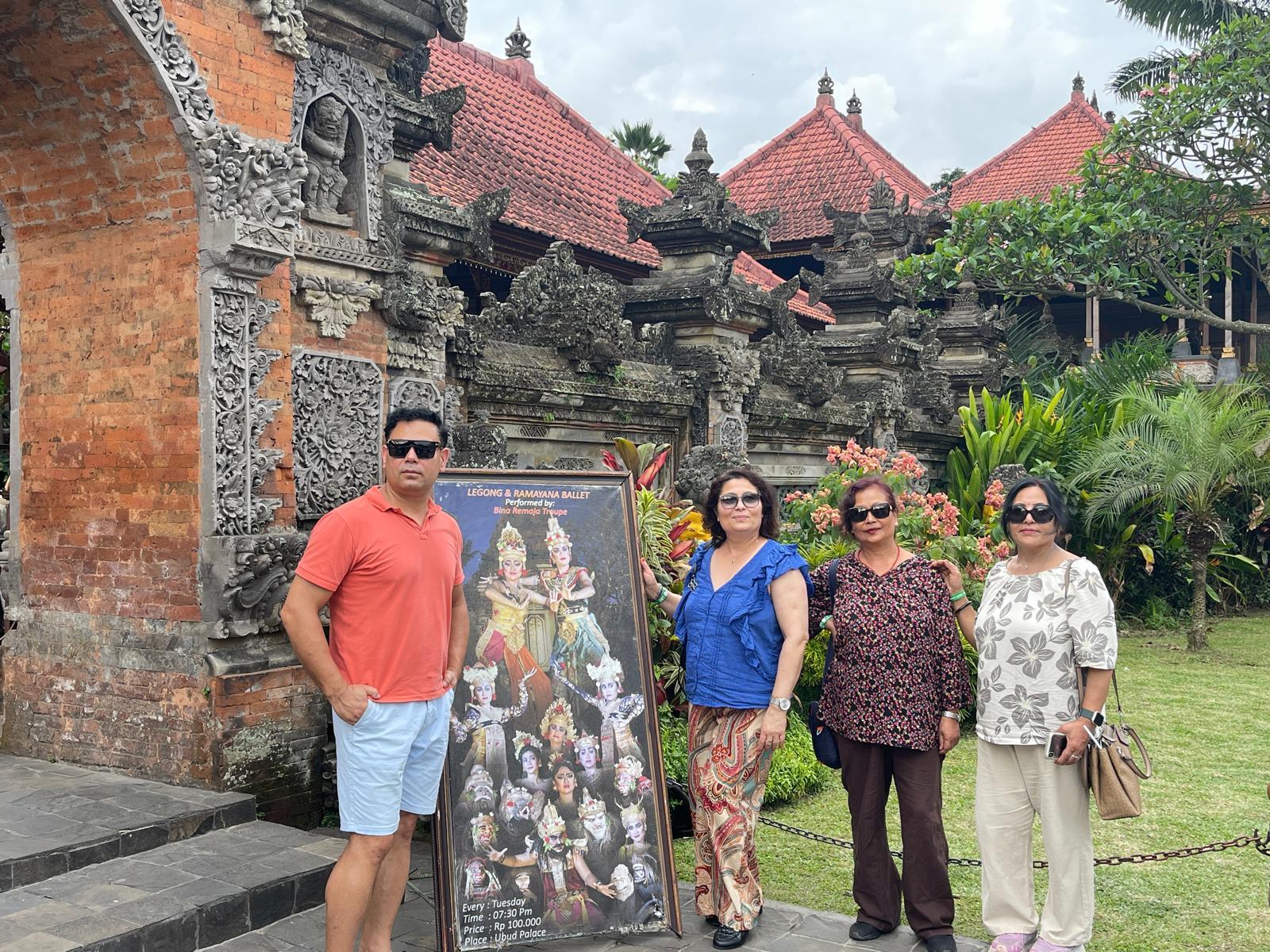
• Visit the cultural heart of Bali: Ubud Palace and Ubud Art Market
• Proceed to the scenic Kintamani Village with views of Mount Batur
• Enjoy a buffet lunch at Kintamani
• Visit the famous coffee plantation
• Visit Alas Harum, famous for its beautiful rice terraces and photo spots
• Return to hotel

• Enjoy exciting water sports activities at Tanjung Benoa Beach (includes 1x banana boat ride)
• Lunch at an Indian cuisine serve at watersport area
• Visit the iconic Uluwatu Temple set on a cliff overlooking the ocean
• Watch the spectacular Kecak Dance performance at sunset
• Return to the hotel

• Check-out from hotel
• Transfer to the airport for departure

Get Back to Kathmandu, Nepal.

Location

Legian — A lively beachside neighborhood on Bali’s southwest coast, sandwiched between buzzing Kuta and upscale Seminyak. Known for its golden sunsets, surf-friendly waves, and a relaxed mix of cafes, boutiques, and beach clubs.

Ubud — Bali’s cultural and artistic heart, set among lush rice paddies and forested hills. The Ubud Palace and Art Market sit at its center, offering traditional architecture, handicrafts, paintings, and a glimpse into the island’s royal heritage.

Kintamani & Mount Batur — A highland village in northeast Bali offering sweeping panoramic views of Mount Batur, an active volcano, and the crescent-shaped Lake Batur in its caldera. The cool mountain air and dramatic scenery make it a favorite lunch stop.

Coffee Plantation — A working Balinese plantation where you can see how coffee, cocoa, and spices are grown and processed, including the famous Luwak coffee. Free tastings of local brews and teas are typically part of the experience.

Alas Harum — A scenic agro-tourism park in Tegallalang famous for its emerald-green terraced rice fields, jungle swings, sky bridges, and Instagram-worthy photo spots overlooking the valley.

Tanjung Benoa — A calm-water peninsula in southern Bali that is the island’s watersports capital. Banana boats, parasailing, jet skis, and snorkeling all operate from its sheltered beach.

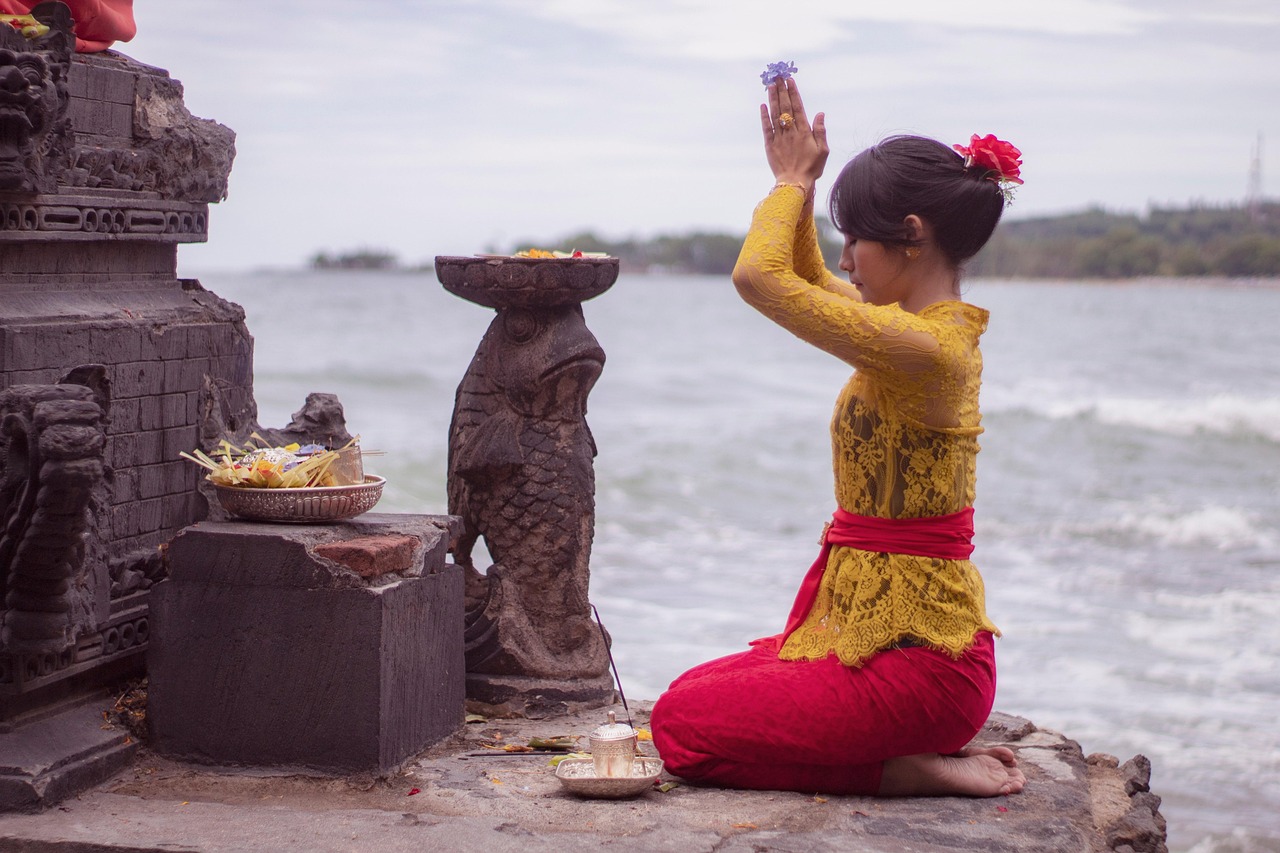
Uluwatu Temple — One of Bali’s six holiest sea temples, perched dramatically on a 70-meter limestone cliff above the Indian Ocean. It is famed for its ocean views, resident long-tailed macaques, and traditional Kecak fire dance performed at sunset.

Tanah Lot Temple — An iconic 16th-century Hindu shrine built on a rocky outcrop just offshore, accessible on foot at low tide. It is one of Bali’s most photographed landmarks, especially at sunset when the silhouette glows against the sky.

Facts

The Island of the Gods — Bali earned this nickname from its deeply spiritual culture, with over 20,000 temples (locally called pura) scattered across an island roughly the size of a small district.

  • Hindu majority in a Muslim nation — While Indonesia is the world’s largest Muslim-majority country, around 87% of Balinese practice a unique form of Hinduism known as Agama Hindu Dharma, which blends Hindu beliefs with Buddhism and local animist traditions.
  • Three official names a day — Balinese culture is rich with daily offerings called canang sari, small palm-leaf trays filled with flowers, rice, and incense placed at homes, shops, and temples three times a day.
  • Volcanic landscape — Bali sits on the Pacific Ring of Fire and is home to several volcanoes, including Mount Agung (its tallest at 3,031 m) and Mount Batur, which still rumbles to life occasionally.
  • A day of total silence — Once a year on Nyepi (Balinese New Year), the entire island shuts down completely. No flights, no traffic, no lights, no work — even tourists must stay indoors for 24 hours.
  • Rice terraces are UNESCO-listed — Bali’s subak irrigation system, which has cultivated its iconic terraced rice paddies for over 1,000 years, is recognized by UNESCO as a World Heritage cultural landscape.
  • Year-round tropical weather — Temperatures stay between 26–32 °C all year, with a dry season (April–October) and a wet season (November–March). July and August are among the most pleasant months to visit.
  • Surfer’s paradise — Bali is one of the world’s top surfing destinations, with legendary breaks at Uluwatu, Padang Padang, and Kuta drawing surfers from across the globe.
  • The Balinese name system — Most Balinese are named based on birth order: Wayan (1st), Made (2nd), Nyoman (3rd), and Ketut (4th) — regardless of gender. The cycle repeats for a fifth child.
  • Currency & language — The local currency is the Indonesian Rupiah (IDR), and while Balinese is spoken locally, Bahasa Indonesia is the national language. English is widely understood in tourist areas.
  • Time zone — Bali runs on Central Indonesia Time (WITA), which is GMT+8 — that’s 2 hours and 15 minutes ahead of Nepal Standard Time.
  • Options include taxis, ride-sharing services (like Grab), renting a scooter or car, and using local bemos (minibusses). Traffic can be heavy, so plan accordingly.

    While cards are accepted in many places, small businesses, markets, and remote areas may only accept cash. It’s advisable to carry some cash with you.

    The currency used in Bali is the Indonesian Rupiah (IDR).

    The official language is Bahasa Indonesia, but English is widely spoken in tourist areas.

    Bali offers a wide range of cuisine from traditional Balinese dishes like Nasi Goreng and Satay to international options. There are also many vegetarian and vegan options available.

    Lightweight, casual clothing is suitable for the tropical climate. When visiting temples or religious sites, dress modestly by covering your shoulders and knees.

    The best time to visit Bali is during the dry season, which runs from April to October. The wet season, from November to March, has higher humidity and more rain but is less crowded and cheapest.
    Fly to top